There is a reason reformer Pilates has become one of the most talked-about forms of exercise among women of all ages. It is not a trend built on hype. It is a method that has been around for decades — and for good reason.
Whether you are juggling a busy schedule, navigating changes in your body, recovering from an injury, or simply looking for a form of movement that you actually enjoy, reformer Pilates offers something a little different from the usual options.
This guide walks through what reformer Pilates is, why so many women find it genuinely useful, and what you can reasonably expect if you decide to give it a go.
What Makes Reformer Pilates Different

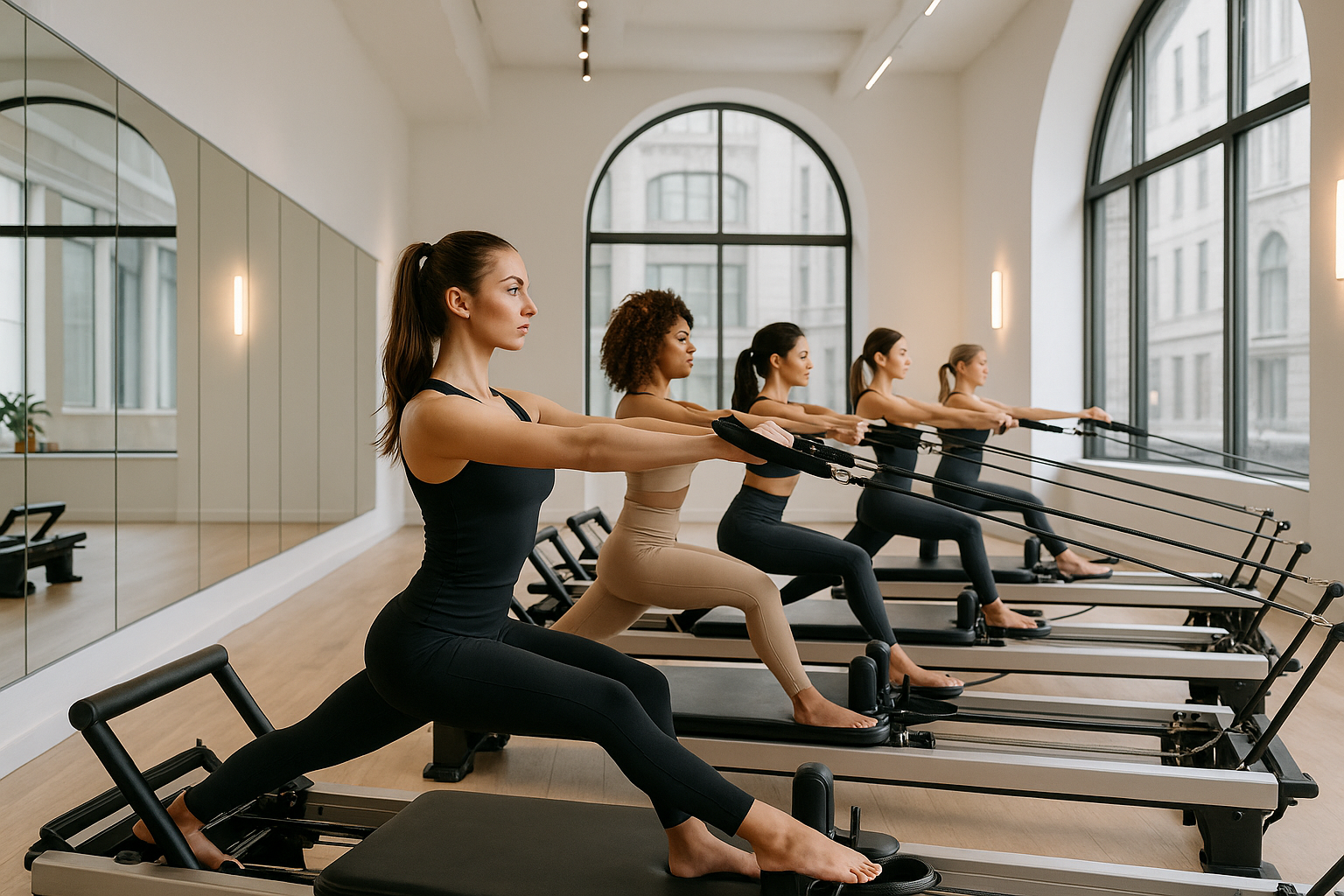
Reformer Pilates is performed on a piece of equipment called a reformer — a sliding carriage mounted within a frame, connected to a system of springs that provide adjustable resistance. The carriage moves as you push or pull against the springs, which creates a dynamic form of resistance quite unlike anything you get from free weights or bodyweight training alone.
The springs can be set to make movements more supported or more challenging, which means the same piece of equipment works for a complete beginner and a highly trained athlete. Your instructor adjusts the settings based on your current ability and what you are working on in each session.
The result is a full-body workout that challenges your strength, stability, and flexibility — all in a low-impact environment that is gentle on joints.
Why Women in Particular Tend to Connect With It
Reformer Pilates is not exclusively for women, of course — but there are several reasons it tends to resonate strongly with female clients.
It Works With Your Body, Not Against It
Many women find that high-impact or heavily load-bearing exercise does not always suit them, particularly at different life stages — during pregnancy, postnatally, perimenopause, or while recovering from injury or surgery. Reformer Pilates offers a way to stay strong and active without the stress that some other forms of training can place on the body.
The supported nature of many reformer exercises means you can work hard without putting excessive load on your joints, pelvic floor, or spine. That said, every body is different, and it is always worth discussing your individual circumstances with a qualified instructor before starting.
It Builds the Kind of Strength That Carries Over Into Real Life
Reformer Pilates focuses heavily on the deep stabilising muscles — the ones that support your spine, pelvis, and joints during everyday movement. These muscles are often undertrained in conventional gym programmes, which tend to prioritise more superficial muscle groups.
Strengthening your stabilisers may help with posture, reduce the likelihood of pain or injury, and make everyday activities — carrying groceries, lifting children, sitting at a desk — feel more comfortable and controlled.
The Mind-Body Connection Is Real
Pilates requires focus. Each exercise involves attention to breath, alignment, and the quality of your movement — which means it is difficult to zone out and go through the motions. Many women find this aspect surprisingly refreshing. For an hour, the thinking about work, the to-do lists, and the mental load of daily life takes a back seat.
This level of mindful engagement can make reformer Pilates feel more like a mental reset than a chore — which goes a long way when it comes to turning up consistently.
What Reformer Pilates May Help With
People come to reformer Pilates for many different reasons. Here are some of the most common:
- Core strength and stability — particularly for women who have had children or experienced pelvic floor issues
- Back and neck pain — by addressing the muscle imbalances and postural habits that often contribute to discomfort
- Posture — through exercises that strengthen the upper back, open the chest, and encourage better alignment
- Flexibility — many exercises lengthen and stretch muscle groups that tighten with long hours of sitting or repetitive movement
- Rehabilitation — some women use reformer Pilates as part of their recovery from injury or surgery, often alongside physiotherapy
- General fitness and wellbeing — for those looking for a structured, enjoyable form of movement to include in their weekly routine
It is worth noting that reformer Pilates is not a substitute for medical care or professional rehabilitation advice. If you have an existing health condition or injury, speaking with a healthcare provider before starting is a sensible step.
What to Expect From Your First Few Sessions
You Do Not Need to Be Flexible or Fit to Begin
This is probably the most common misconception about Pilates in general. You do not need a particular level of fitness, flexibility, or body type to start. A good instructor will meet you where you are and adjust exercises to suit your current abilities. Starting as a complete beginner is entirely normal.
The First Session Is Mostly About Getting to Know the Equipment
The reformer looks slightly intimidating if you have never used one before. There are springs, straps, a foot bar, and a sliding carriage — and it is not immediately obvious what everything does. Your first session will focus on familiarising yourself with the machine, learning how to set it up for your body, and getting a feel for basic movements.
Most people feel much more comfortable by the end of that first session than they expected to. Give yourself a few classes before deciding whether it is for you.
You Might Feel It in Places You Did Not Expect
Reformer Pilates activates muscles that many people rarely use in their normal exercise routine. It is common to feel some muscle soreness in the days after your first few sessions — particularly in the inner thighs, glutes, and deep abdominals. This generally settles as your body adapts.
If anything feels sharp or painful rather than just unfamiliar, let your instructor know straight away so they can check your form or adjust the exercise.
Consistency Matters More Than Frequency
You do not need to attend every day to see progress. Many women find that one or two sessions a week, done consistently over time, produces noticeable changes in how their body feels and moves. Building reformer Pilates into a sustainable weekly routine tends to be more effective than going hard for a few weeks and then stopping.
A Few Practical Things Worth Knowing
What to Wear
Fitted or form-hugging clothing works best on the reformer. Loose fabric can catch in the equipment or make it harder for your instructor to see your alignment. Leggings and a fitted top are perfect. Most studios require grip socks — some will have these available for purchase if you forget yours.
Class Sizes
Reformer Pilates classes tend to be smaller than general group fitness classes. This makes it easier for instructors to give individual attention and offer modifications where needed. Some studios also offer one-on-one or small group sessions if you prefer a more personalised experience to begin with.
Reformer Pilates and Pregnancy
Many women continue reformer Pilates throughout pregnancy, with appropriate modifications as their body changes. If you are pregnant or planning to be, it is important to let your instructor know so they can tailor exercises to suit you. Always consult your midwife or LMC before continuing or starting a new exercise programme during pregnancy.
Is Reformer Pilates Right for You?
There is no single form of exercise that suits every woman perfectly. But reformer Pilates has a genuine track record of working well for a wide range of people, bodies, and life stages. It is challenging without being punishing, structured without being rigid, and accessible without being easy.
If you have been on the fence about trying it, the most straightforward way to find out is simply to give it a go. A good studio will make sure you feel welcome and supported from day one.
If you are based in Auckland and looking to get started, Reformer Pilates Auckland classes at Peak Pilates are designed to suit women at every stage — from complete beginners to those returning after injury or pregnancy. Every body is different, and the team is there to help you find an approach that works for yours.