The Complete Guide to Reformer Pilates: Benefits, Basics, and Why It’s Worth Trying
When it comes to exercise that strengthens the body, improves posture, and calms the mind, few methods are as effective as Reformer Pilates. The reformer machine has become a cornerstone in modern fitness and rehabilitation studios worldwide. Whether you’re an athlete, recovering from injury, or simply looking to feel stronger and more flexible, reformer Pilates offers something for everyone.
Unlike many forms of exercise that focus purely on burning calories or building bulk, Pilates is designed with longevity, posture, and functionality in mind. The reformer adds another layer to this by introducing resistance, challenge, and versatility that a mat alone cannot provide.
At Peak Reformer Pilates Auckland, you’ll find a welcoming environment that combines expert physiotherapy knowledge with Pilates precision. With six studios conveniently located in Grey Lynn, St Heliers, St Johns, Parnell, and Silverdale, there’s always a class or appointment close by.
What Is Reformer Pilates?

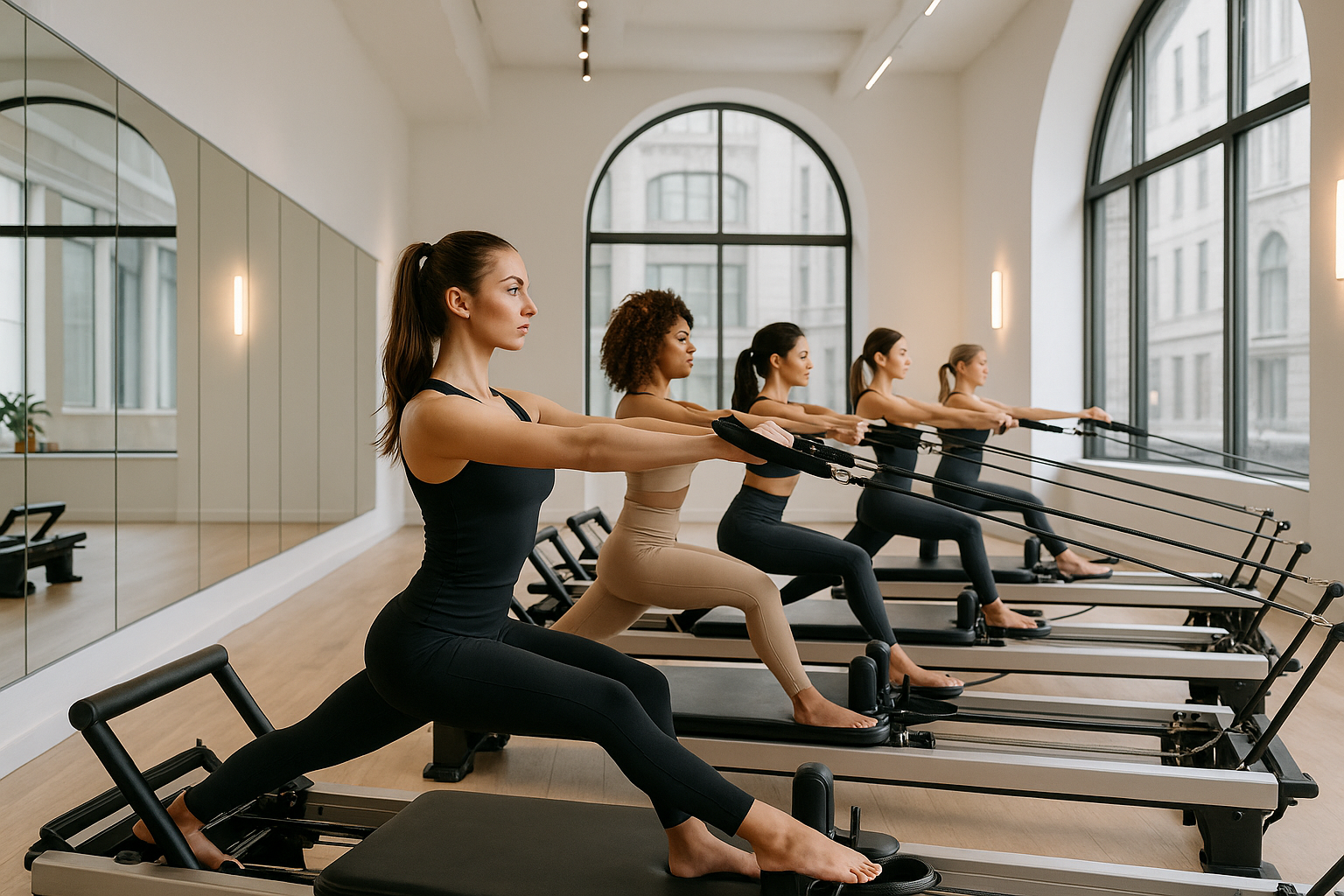
At first glance, the reformer machine might look a little intimidating—a sleek frame with a sliding carriage, springs, ropes, pulleys, and a footbar. But once you’re guided through its setup, it becomes one of the most versatile and supportive pieces of equipment you’ll ever use.
The carriage glides as you push or pull against the resistance of the springs, while straps and bars add variety to the movements. This system allows exercises to be performed lying down, sitting, kneeling, or standing, engaging muscles in dynamic ways that challenge both strength and stability.
The result? A low-impact, full-body workout that can be made gentle enough for someone recovering from surgery or challenging enough for elite athletes.
Key Benefits of Reformer Pilates
1. Builds Deep Core Strength
Every Pilates exercise is rooted in the “powerhouse”—your abdominals, obliques, pelvic floor, and lower back. Unlike crunches or sit-ups, which often target only surface muscles, reformer Pilates trains the deep stabilisers. This creates lasting strength that supports your spine, improves posture, and reduces back pain.
2. Enhances Flexibility and Mobility
Because the reformer carriage moves and the springs add resistance, your muscles are lengthened as they strengthen. This combination increases flexibility while protecting against overstretching. Over time, clients often notice they can bend, twist, and move more freely in everyday life.
3. Improves Posture and Alignment
Modern lifestyles—desk jobs, long commutes, endless screen time—create rounded shoulders and weak backs. Reformer Pilates strengthens postural muscles and retrains the body to sit and stand correctly. Many people find they look taller, move more gracefully, and carry themselves with confidence after regular practice.
4. Supports Rehabilitation and Injury Prevention
Physiotherapists often recommend reformer Pilates because it allows for safe, low-impact movement. The springs can be adjusted to give as much or as little resistance as needed, making it an ideal rehabilitation tool. From back pain to sports injuries, Pilates helps restore function while minimising the risk of re-injury.
5. Full-Body Conditioning
While mat Pilates is excellent for core work, the reformer extends the possibilities to target every part of the body. Arms, shoulders, glutes, hamstrings—nothing is left out. A single workout can tone and strengthen the whole body, creating balanced muscle development.
6. Supports Mental Wellbeing
Pilates isn’t just physical. It requires concentration, breath control, and mindful movement. Many participants describe reformer Pilates as a moving meditation—leaving the studio calmer, clearer, and energised.
Who Can Benefit From Reformer Pilates?
The beauty of reformer Pilates lies in its adaptability. It’s not a one-size-fits-all workout—it meets people where they are.
- Beginners can start with light resistance to learn proper form.
- Athletes gain improved performance, agility, and injury prevention.
- Older adults find it a safe, functional way to maintain mobility and strength.
- People with back or joint issues benefit from low-impact strengthening.
- Postnatal women can gently rebuild pelvic floor and core strength.
- Injury rehabilitation clients can strengthen without excess strain on healing areas.
This flexibility is why reformer Pilates has stood the test of time and continues to grow in popularity across Auckland, with clients regularly attending classes in Grey Lynn, St Heliers, St Johns, Parnell, and Silverdale.
What to Expect in a Reformer Pilates Class
A typical class lasts 60 minutes and is led by a trained instructor who ensures every exercise is done with correct form. You’ll use a mix of pushing, pulling, and holding movements, with the resistance adjusted to your ability.
Expect a focus on:
- Breathing – deep, controlled breaths that guide each movement.
- Precision – every movement is intentional and aligned.
- Flow – exercises are linked together smoothly to create rhythm.
While it may feel unusual at first, most people quickly become comfortable with the equipment. After just a few sessions, you’ll start noticing stronger muscles, better posture, and an overall sense of control in your body.
Reformer Pilates vs. Mat Pilates
Both forms share the same principles of control, alignment, and breath. The main difference is the equipment.
- Mat Pilates relies on bodyweight and is often more accessible at home.
- Reformer Pilates uses springs for added resistance, providing greater range, more variety, and the ability to scale difficulty up or down.
Think of mat Pilates as the foundation, while reformer Pilates is the next step that allows for deeper strength and progression.
Common Myths About Reformer Pilates
- “It’s only for women.”
False. Men from professional rugby players to office workers use reformer Pilates to strengthen and prevent injuries. - “It looks too easy.”
Not true. The springs may look supportive, but they can be adjusted to create serious resistance. Many clients report it’s one of the most challenging yet rewarding workouts they’ve ever done. - “It’s only for flexible people.”
In reality, reformer Pilates helps develop flexibility. You don’t need to be flexible to start.
Why You Should Try It
Reformer Pilates is not just exercise—it’s an investment in your body’s future. It teaches movement awareness, strengthens the muscles that support everyday activities, and helps prevent the aches and pains that come with age or sedentary habits.
For those recovering from injury, it offers a safe and supportive way to rebuild strength. For those who already train hard, it adds balance, stability, and injury prevention to their routine. And for anyone seeking calm in a busy world, it provides a mind-body connection that leaves you refreshed and centred.
At Peak Reformer Pilates Auckland, classes are designed to meet you where you are—whether that’s in a group setting or through a personalised 1:1 session. With studios across Grey Lynn, St Heliers, St Johns, Parnell, and Silverdale, there’s a location near you ready to support your fitness and wellbeing journey.

Final Thoughts
Reformer Pilates is more than a passing trend—it’s a proven, adaptable practice that continues to transform bodies and lives around the world. From stronger cores to healthier posture and improved wellbeing, the benefits are undeniable.
If you’re curious, the best way to experience it is first-hand. Book a reformer Pilates class at one of our six Auckland studios, or schedule a 1:1 reformer Pilates appointment with a trained instructor at Peak Reformer Pilates Auckland. Your body—and mind—will thank you.