If you have been curious about Pilates but feel unsure where to start, you are not alone. With so many exercise options available, it can be difficult to know which one might suit your body, lifestyle, and goals. Reformer Pilates has grown in popularity over recent years, but many people still wonder what it actually involves and whether it is the right choice for them.
This guide explains what Reformer Pilates is, how it differs from mat-based Pilates, and what you might expect from a class.
Understanding Reformer Pilates

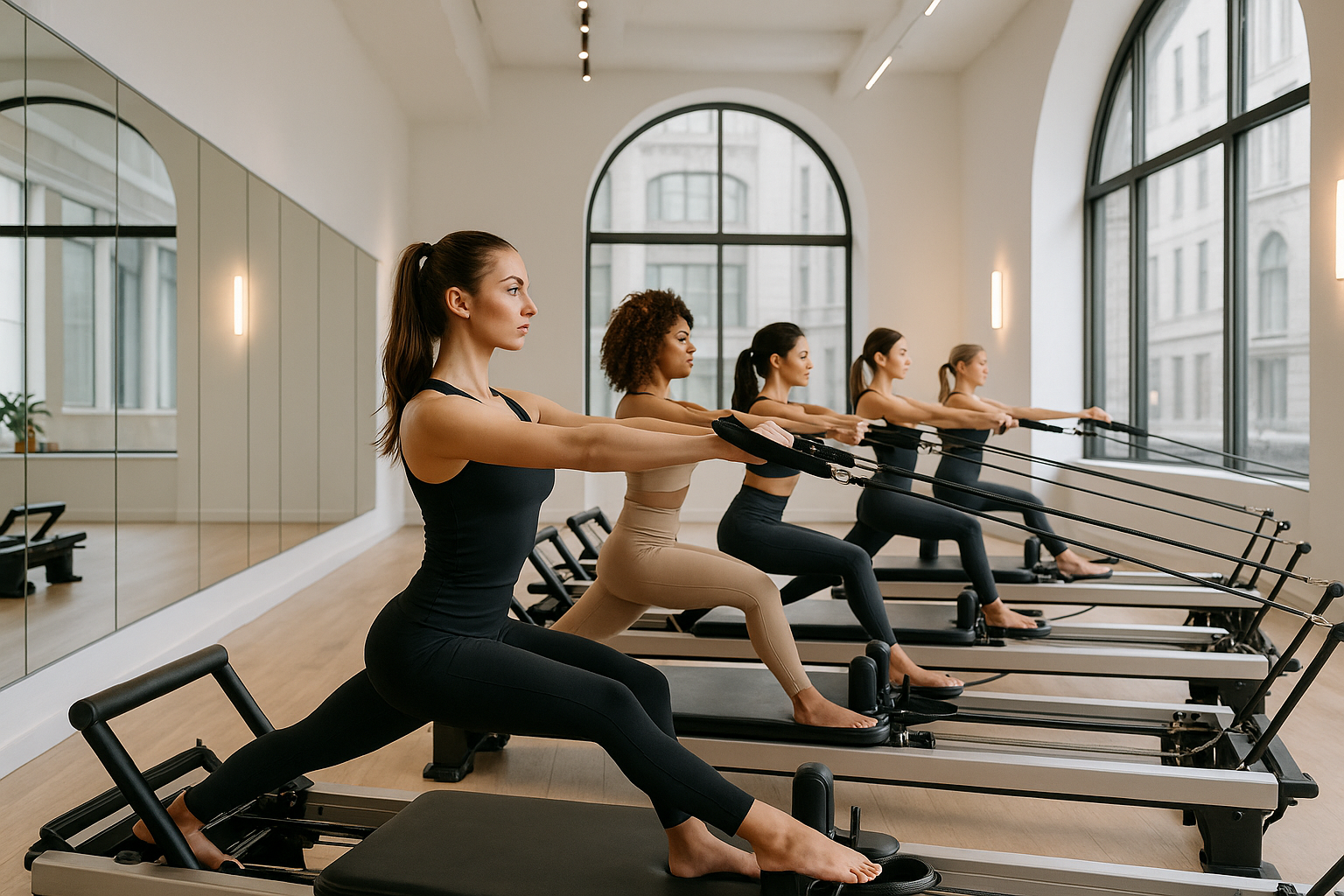
Reformer Pilates is a form of exercise performed on a specialised piece of equipment called a Reformer. The machine consists of a sliding carriage, springs of varying resistance, straps, and a foot bar. These components work together to create resistance as you move through different exercises.
The Reformer was originally designed by Joseph Pilates in the early twentieth century as a way to help rehabilitate injured patients. Today, it is used by people of all fitness levels to build strength, improve flexibility, and support overall body awareness.
Unlike mat Pilates, which relies primarily on body weight, Reformer Pilates uses the spring-loaded resistance of the machine. This allows for a wider variety of exercises and can make movements either easier or more challenging, depending on the spring settings and your own strength.
How Reformer Pilates Differs From Mat Pilates
Both mat and Reformer Pilates share the same foundational principles: controlled movement, breath awareness, core engagement, and precise alignment. However, the experience of each can feel quite different.
Equipment and Resistance
Mat Pilates uses minimal equipment—typically just a mat and occasionally small props like resistance bands or balls. The resistance comes from your own body weight and gravity.
Reformer Pilates, on the other hand, provides adjustable resistance through springs. This can help support your body during certain movements, making some exercises more accessible. At the same time, the instability of the sliding carriage can add challenge to movements that might feel straightforward on a stable surface.
Exercise Variety
The Reformer allows for a broader range of exercises than mat work alone. You can work in lying, sitting, kneeling, and standing positions, and the straps and foot bar open up possibilities for targeting different muscle groups in varied ways.
Feedback and Awareness
Many people find that the Reformer provides helpful feedback about their movement patterns. The sliding carriage and spring tension can make it easier to feel when one side of the body is working harder than the other, or when alignment is slightly off. This awareness can be valuable for developing more balanced movement habits over time.
What Happens in a Reformer Pilates Class
If you have never tried Reformer Pilates before, knowing what to expect can help ease any uncertainty.
Class Structure
A typical class runs for about 50 to 60 minutes. Sessions usually begin with a brief warm-up to prepare the body, followed by a series of exercises targeting different areas—often including the core, legs, arms, and back. Classes generally conclude with stretching and cooldown movements.
Class Sizes
Reformer classes tend to be smaller than large group fitness classes. This allows instructors to provide more individual attention and offer modifications where needed. Some studios also offer private or semi-private sessions for those who prefer more personalised guidance.
What to Wear
Comfortable, fitted clothing is generally recommended. Loose fabric can get caught in the equipment, so form-fitting options tend to work better. Most studios ask participants to wear grip socks for hygiene and stability on the machine.
Who Might Benefit From Reformer Pilates
Reformer Pilates can be suitable for a wide range of people, though individual experiences vary. Some common reasons people are drawn to this form of exercise include:
- Building core strength: The focus on deep stabilising muscles may help improve core strength over time.
- Supporting posture: Regular practice often encourages greater awareness of alignment and posture habits.
- Low-impact movement: The spring resistance and supported positions can make Reformer Pilates gentler on joints compared to some higher-impact activities.
- Rehabilitation and recovery: Some people use Reformer Pilates as part of their recovery from injury, often in consultation with a healthcare provider.
- Variety and engagement: The equipment and exercise options can keep sessions interesting for those who find mat-based workouts repetitive.
It is worth noting that everyone responds differently to exercise. What works well for one person may not suit another. If you have any health concerns or injuries, consulting a healthcare professional before starting a new exercise programme is generally advisable.
Common Questions About Reformer Pilates
Do I Need to Be Fit to Start?
No particular fitness level is required. Reformer Pilates can be adapted to suit beginners, and instructors can modify exercises to match your current abilities. Many people start with little or no Pilates experience.
How Often Should I Attend?
This depends on your goals, schedule, and how your body responds. Some people attend once a week, while others prefer two or three sessions. Consistency tends to be more important than frequency when it comes to noticing changes over time.
Will I Feel Sore Afterwards?
Some muscle soreness after your first few sessions is common, particularly if you are using muscles in new ways. This usually settles as your body adapts. If you experience pain rather than mild discomfort, it is worth mentioning this to your instructor.
Is It Suitable During Pregnancy?
Many women continue Pilates during pregnancy, though modifications are typically needed as the body changes. If you are pregnant or planning to become pregnant, discussing your situation with both your healthcare provider and your instructor can help ensure the exercises are appropriate for you.
Finding the Right Studio
Choosing a studio where you feel comfortable can make a real difference to your experience. Consider factors such as class sizes, instructor qualifications, and whether the studio offers beginner-friendly options.
If you are looking for Reformer Pilates in Auckland, visiting a studio to see the space and meet the team can help you decide whether it feels like a good fit. Many studios offer introductory sessions or trial classes for newcomers.
Is Reformer Pilates Right for You?
There is no single form of exercise that suits everyone perfectly. Reformer Pilates offers a structured, low-impact approach to movement that many people find both challenging and enjoyable. Whether it becomes a regular part of your routine depends on your personal preferences, goals, and how your body responds.
If you are curious about trying it, starting with an introductory class can give you a sense of what the experience is like without committing to a long-term programme.
Peak Pilates welcomes newcomers and can help you understand whether Reformer Pilates might be a good option for your individual circumstances. Every body is different, and the best way to know if something suits you is often simply to give it a try.